
Tips & Guidance For Criminal Defense and Personal Injury Cases
Digital Evidence Is Transforming Cases
Digital evidence now plays a central role in many legal matters. As daily life continues to move online, more information is created, stored, and shared through digital channels. This shift has changed how cases are built, reviewed, and resolved.
Digital evidence includes any information stored or transmitted in electronic form. Common examples include emails, text messages, social media activity, GPS data, call logs, dashcam footage and surveillance footage. Even data from wearable devices and smart home systems can be relevant. These records often provide detailed timelines and objective insights that were not as accessible in the past.

Key Factors to Note
One of the most important impacts of digital evidence is its ability to clarify events. Time stamps, location data, and communication records can help establish when something happened and who was involved. This can strengthen claims, support defenses, and reduce uncertainty. In many cases, digital records serve as a reliable complement to witness statements.
Another key factor is the volume of available data. Individuals and businesses generate large amounts of digital information every day. This creates both opportunities and challenges. On one hand, there may be more evidence to support a case. On the other, it takes careful review to identify what is relevant and accurate. Proper organization and analysis are essential.

AI & Authenticity
Authenticity and integrity are also critical concerns. Digital evidence must be preserved in a way that ensures it has not been altered. This often involves secure collection methods and detailed documentation. Without proper handling, even useful information may lose its value in a legal setting. Along with this authenticity issue, is the idea that AI can also generate convincing and often incriminating pictures and videos, causing more waves in the legal community and in cases across the nation.
Privacy considerations have also become more prominent. Not all digital information can or should be accessed freely. There are limits on how data is obtained and used. These boundaries are important to protect individual rights while still allowing relevant evidence to be considered.
The rise of digital evidence has also influenced how legal professionals prepare cases. Attorneys now work more closely with technical experts to interpret data and present it clearly. Digital evidence is no longer a secondary consideration. It’s often a primary source of information in modern cases. As technology continues to evolve, its role will only grow. Understanding how digital evidence works and how it is used can make a meaningful difference in the outcome of a case.
Digital Evidence in Personal Injury Cases
In personal injury matters, digital evidence often helps establish how an incident occurred and the extent of the impact. Surveillance footage from nearby businesses or traffic cameras can capture the event itself, while dashcam footage can also be utilized. Photos and videos taken at the scene can document conditions such as weather, road hazards, or property damage.
Medical records are now largely digital, which allows for clearer tracking of treatment over time. Appointment histories, diagnostic imaging, and provider notes can show the progression of an injury and support claims for ongoing care. In some cases, data from fitness trackers or mobile devices may also be used to demonstrate changes in activity levels before and after an incident.
Social media can also play a role. Posts, photos, and location check ins may be reviewed to confirm or challenge claims about injuries or daily limitations. While this information can be useful, it also requires careful interpretation. A single post may not reflect the full context of a person’s condition.
Digital communication can further support a case. Emails or messages between parties may provide insight into what was known at the time of the incident or how it was addressed afterward. When properly collected and reviewed, this information can help build a clearer and more complete picture of the situation.
Digital Evidence in Criminal Defense Cases
In criminal defense matters, digital evidence is often a key factor in both investigation and defense strategy. Law enforcement frequently relies on digital records such as phone data, text messages, and location tracking to support allegations. This information can be detailed, but it is not always straightforward.
For the defense, digital evidence can be used to challenge assumptions or provide alternative explanations. Location data may place an individual somewhere other than the alleged scene. Communication records may show context that changes how a situation is understood. In some cases, gaps or inconsistencies in digital records can raise important questions.
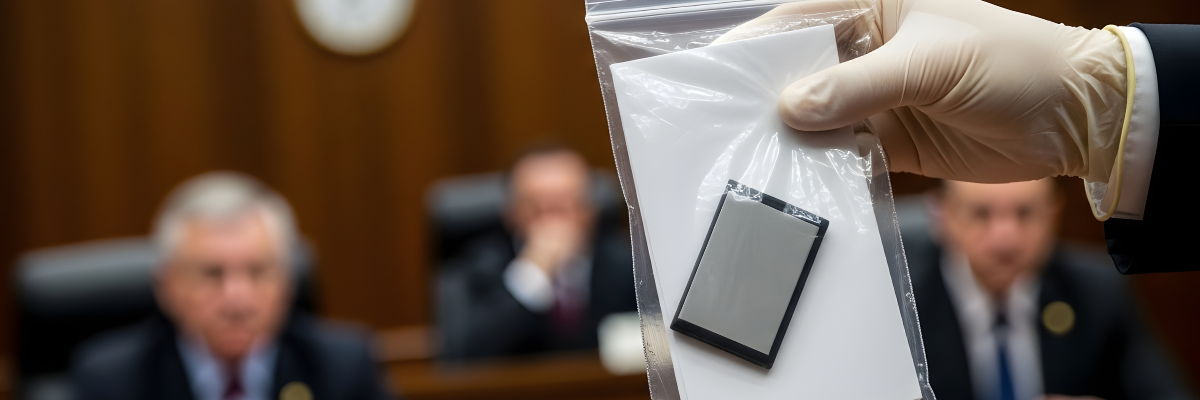
Proper handling of digital evidence is also critical. The way information is collected, stored, and analyzed can affect its reliability. Defense teams often examine whether standard procedures were followed and whether the data has been preserved without alteration.
Digital Evidence Is Here & Not Going Away
As digital evidence becomes more common, it continues to shape how criminal and personal injury cases are evaluated. A clear understanding of how this information is gathered and interpreted can have a significant impact on the outcome of a case.

If you are in need of representation for a personal injury or criminal defense case, our team at Rehmeyer & Allatt are ready to be there for you. We’ll fight for you and be the advocate you need.